Bergey Lab
Ecological and evolutionary genomics
Bergey Lab
At the Christina Bergey Lab in the Rutgers University Department of Genetics, our research aims to understand how organisms adapt to their environment. To do so, we use population, evolutionary, and functional genomic approaches to understand the effects of past selection on modern medically-relevant traits. We work in a variety of systems: humans, non-human primates, and disease vectors.
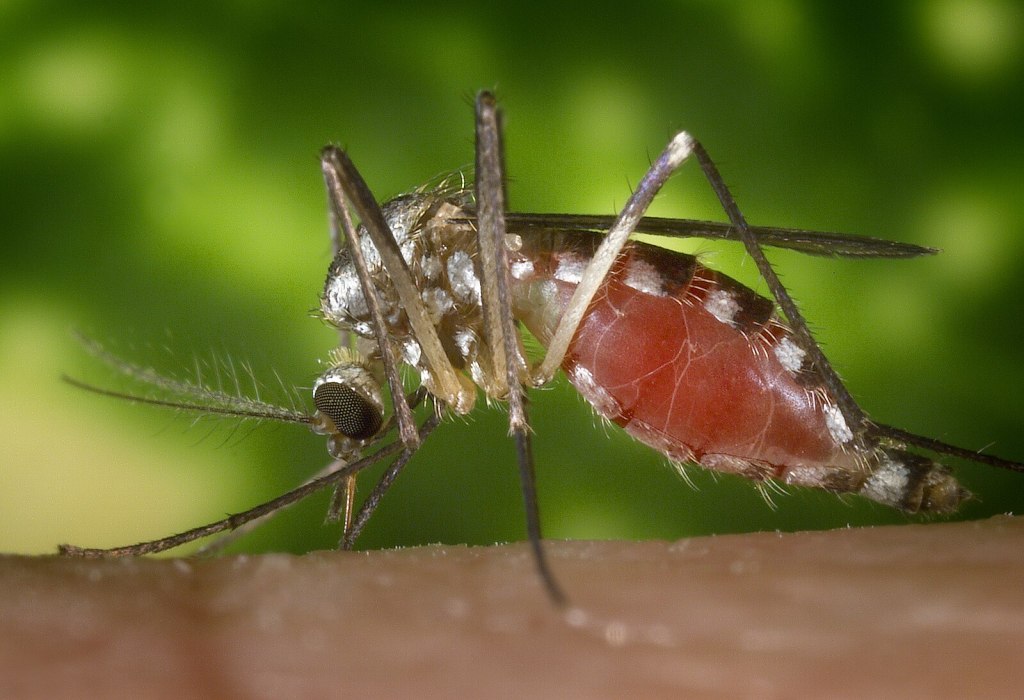
mosquito-borne diseases like malaria and viral encephalitis diseases and how the pathogens, hosts, and vectors have co-evolved;
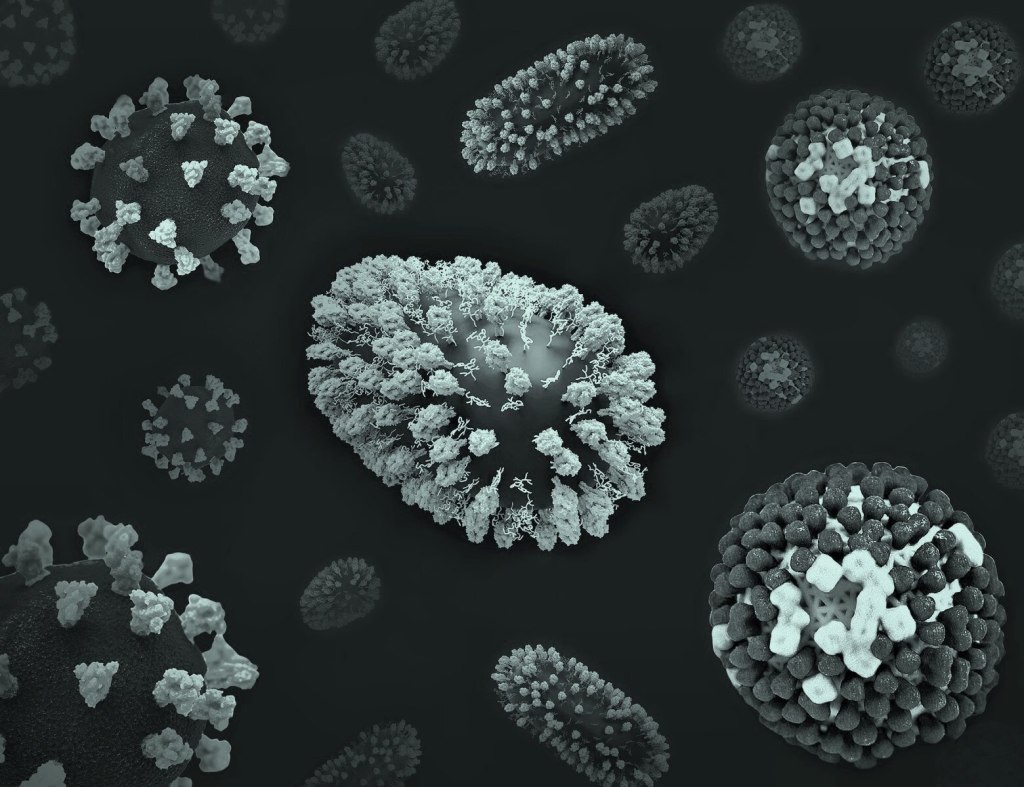
respiratory viruses and how they interact with the host immune system, other viruses, and the microbiome;

human and primate adaptations to their changing environment, especially the rainforests of Africa; and
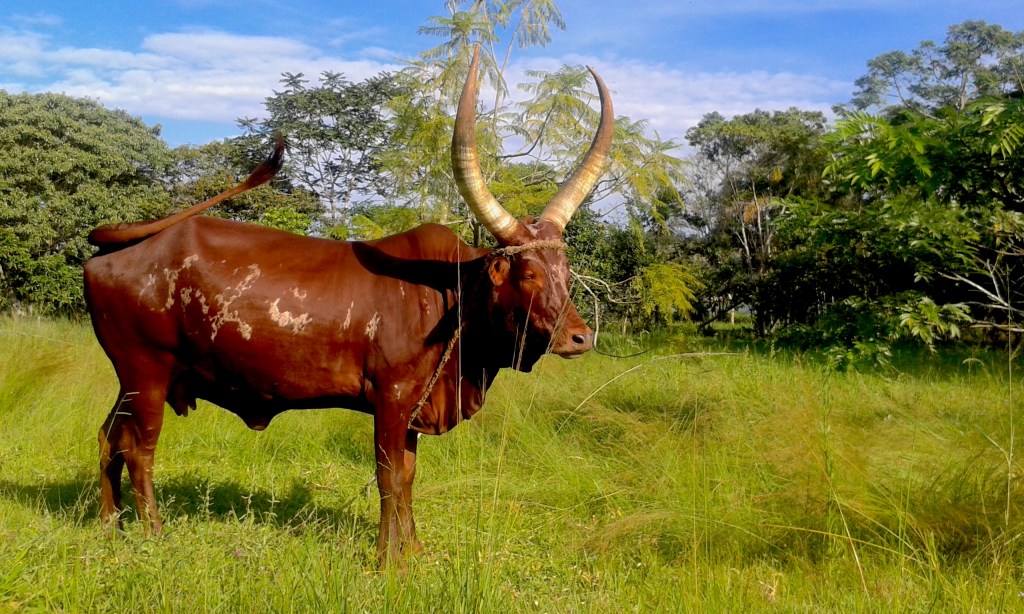
connections between the health of people, animals, and our shared environment.
Our group has a particular interest in understanding the factors that influence infection and mortality from infectious diseases that disproportionately impact the poor and marginalized. An increasing focus of our research is the role of climate change and habitat disturbance on infectious disease risk.
We closely partner with in-country researchers and prioritize scientific capacity building in the places we work, most often in tropical Africa. Engagement with participant communities as well as local hospitals and NGOs is also a vital cornerstone of our research.
Be sure to check out our research, our lab members, and info on open/upcoming postdoctoral and student positions.